Industrial Wearable Apps: Why Your IoT Backend is Failing You
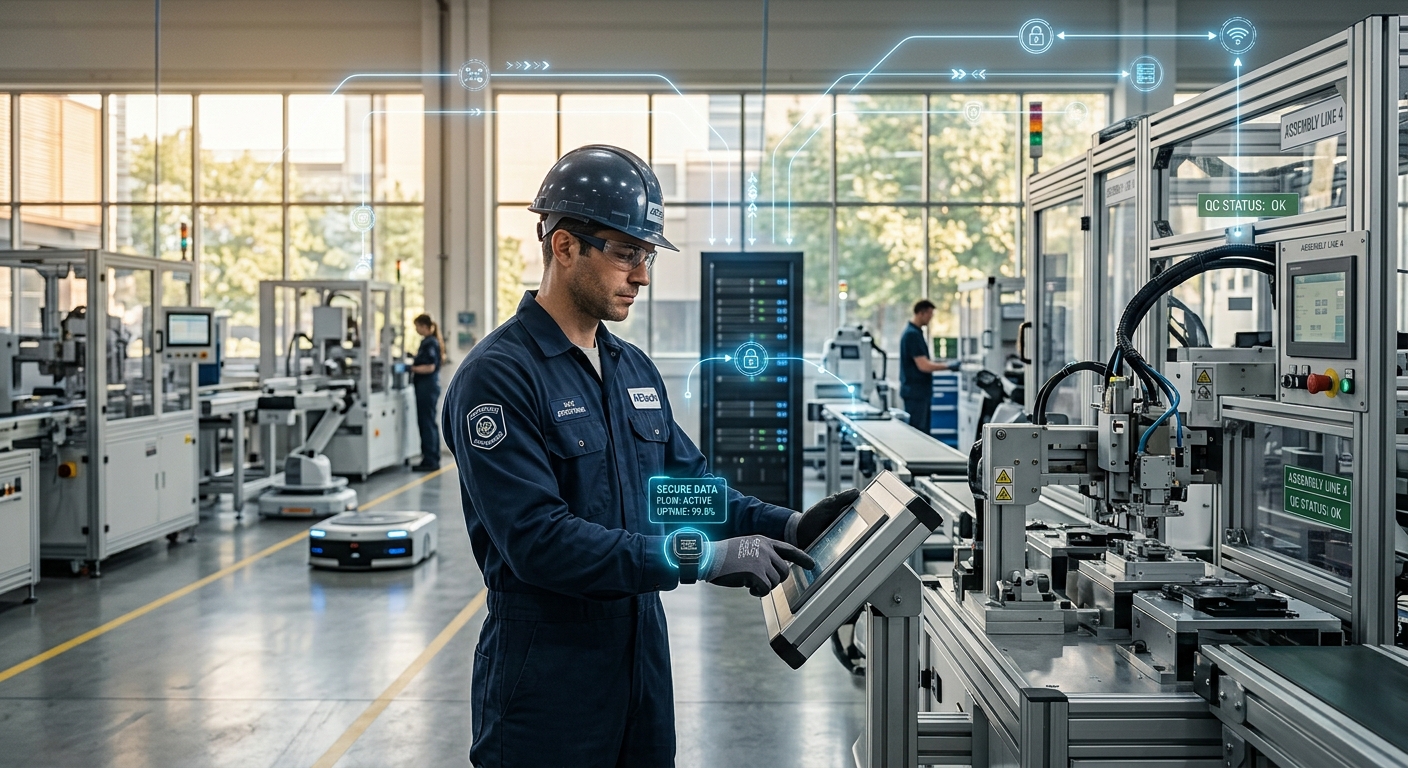
Imagine equipping your entire factory floor with smart wearables. Workers get real-time safety alerts, maintenance crews get instant diagnostics, and supervisors get a bird's-eye view of operations, all from their wrists. This isn't science fiction; it's the promise of industrial wearable apps powered by the Industrial Internet of Things (IIoT). Yet, for many businesses, this vision remains just out of reach, stuck in the expensive, time-consuming pilot phase.
The potential benefits are huge: increased safety, better efficiency, and smarter decision-making. But the reality is often frustrating. You've invested time and money, seen promising results in a controlled test, and then... nothing. The project stalls, the promised return on investment never materializes, and the technology sits on a shelf. Why does this happen so often?
The answer often lies not with the wearables themselves, but with what's happening behind the scenes – the crucial, yet often overlooked, IoT backend. Without the right foundation, even the most advanced wearable technology is set up to fail. Let's dive into why this happens and what you can do about it.
The High Stakes of Industrial IoT: Why Pilots Fail to Scale
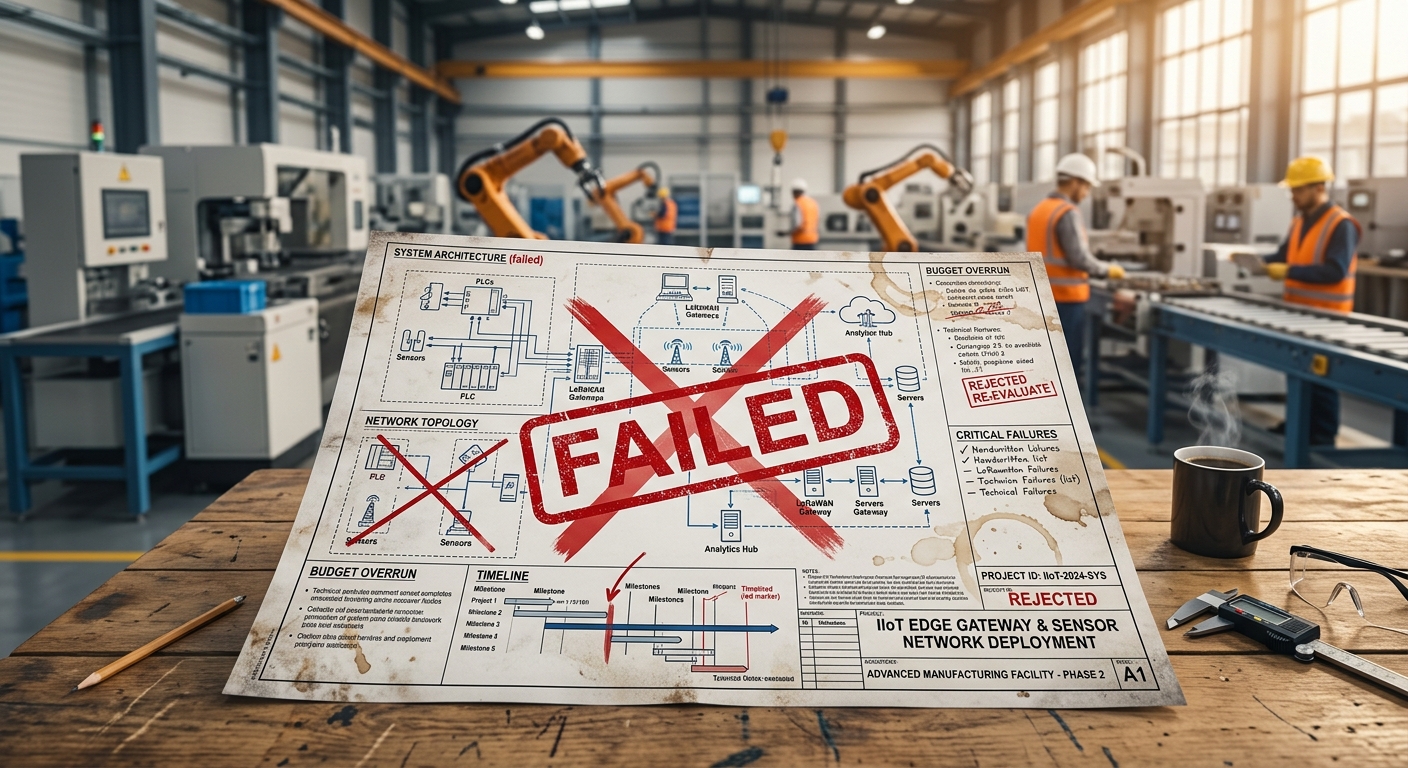
It's a sobering statistic: over 70% of industrial IoT deployments never make it beyond the initial pilot stage. Think about that. Businesses pour significant resources into testing new wearable technologies, developing custom apps, and training teams, only to see these initiatives wither on the vine. This isn't just a missed opportunity; it's a substantial financial drain with little to no return.
When an industrial wearable app fails to scale, it means the initial investment is largely wasted. The potential gains in productivity, safety, and operational intelligence are lost. Furthermore, it can lead to internal skepticism about new technologies, making future innovation efforts much harder. The dream of a connected, data-driven industrial environment remains just that – a dream.
Industrial environments present unique challenges that consumer-grade IoT solutions simply can't handle. Think about extreme temperatures, constant vibration, potential for interference, and the need for absolute reliability. These demanding conditions require specialized, robust backend solutions that can manage vast amounts of data securely and efficiently, something that often trips up less sophisticated systems.
Beyond the Cloud: The Shift to Edge Computing for Robust Backends
Historically, many industrial IoT systems were designed with a simple model: collect data from sensors and devices, send it all to a central cloud platform for processing and analysis, and then send commands back. While this works for some applications, it quickly hits a wall in demanding industrial settings.
Imagine trying to monitor critical machinery in real-time. Sending every tiny sensor reading to the cloud, waiting for analysis, and then getting an alert back takes too long. Latency becomes a major issue, and the sheer volume of data can overwhelm bandwidth, leading to costly network problems. This is where the paradigm shifts.
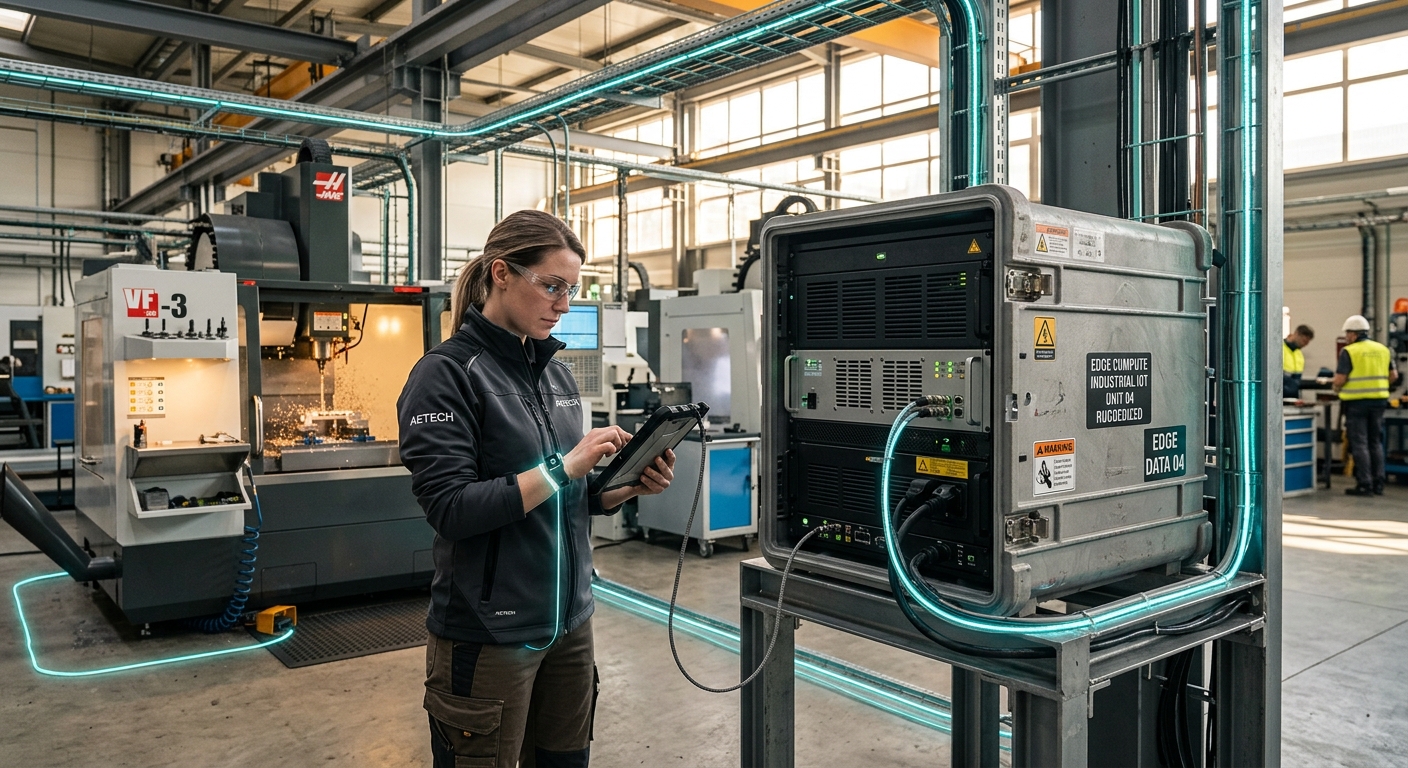
Edge computing represents a fundamental change. Instead of sending everything to a distant cloud, we process data much closer to where it's generated – right near the machines or on the wearable devices themselves. This 'edge' processing allows for immediate insights and actions. Coupled with the speed of 5G connectivity, which offers low latency and high bandwidth, this approach enables lightning-fast decision-making and much tighter operational control.
The benefits of this edge-centric approach for industrial wearables are significant. Real-time anomaly detection becomes far more effective, allowing you to spot potential equipment failures before they happen. Predictive maintenance can be scheduled more accurately based on immediate data analysis. Overall system reliability improves because critical decisions aren't delayed by network hops to the cloud. For example, a worker's wearable could instantly detect a dangerous environmental reading and trigger an alarm, bypassing cloud delays entirely.
Building a Future-Proof IoT Backend for Industrial Wearables

Creating a successful industrial wearable application means looking beyond the device and the app itself. You need a powerful, flexible, and secure IoT backend that can handle the unique demands of your operations. This involves careful planning around several key areas. First, how will you ingest the massive amounts of data coming from your wearables and other IIoT devices? Second, how will you process and store this data securely? And finally, how will you integrate these insights smoothly with your existing enterprise systems, like ERP or MES?
Your backend architecture needs to be adaptable. The number of devices and the volume of data will likely grow, so your system must scale effortlessly. It also needs to be highly available – downtime in an industrial setting can be incredibly costly. Supporting real-time data analysis is non-negotiable for critical applications where immediate insights drive safety and efficiency. A well-designed backend acts as the central nervous system for your entire IIoT ecosystem.
Ultimately, a robust IoT backend ensures your industrial wearable apps don't just function, but thrive. It guarantees the integrity of your data, protects against security threats, and provides the reliable foundation needed for long-term operational success. It’s about making sure your investment in wearable technology delivers on its promise, driving real business value and keeping your operations running smoothly and safely. At BluePixel Technologies, we specialize in creating these smart connectivity and IoT solutions, building custom, robust backends tailored precisely for the demanding needs of industrial environments.
Key Takeaways
- Pilot Purgatory is Real: Most industrial IoT projects, especially those involving wearables, fail to scale beyond the initial testing phase, wasting significant investment.
- Backend is the Bottleneck: The success or failure of industrial wearable apps often hinges on the capabilities and architecture of the underlying IoT backend system.
- Cloud Isn't Always King: Relying solely on cloud processing for real-time industrial data leads to latency and bandwidth issues, hindering immediate decision-making.
- Edge Computing is Essential: Processing data closer to the source (at the edge) significantly speeds up analysis and response times for critical industrial applications.
- 5G Amplifies Edge: Combining edge computing with 5G connectivity provides the low latency and high bandwidth needed for truly responsive industrial IoT systems.
- Scalability & Security Matter: A future-proof IoT backend must be designed for growth, high availability, robust security, and seamless integration with existing enterprise infrastructure.
Conclusion
Don't let your industrial wearable initiatives get stuck in the pilot phase. The key to unlocking the full potential of wearable technology in your operations lies in a powerful, modern IoT backend. By embracing edge computing, leveraging high-speed connectivity like 5G, and focusing on a scalable, secure architecture, you can overcome the common pitfalls and achieve real operational improvements. Ready to build an industrial IoT solution that truly scales? Explore how BluePixel Technologies can help you design and implement the robust backend infrastructure your industrial wearable apps need to succeed. Visit us at https://www.bluepixeltech.com/ to learn more.